
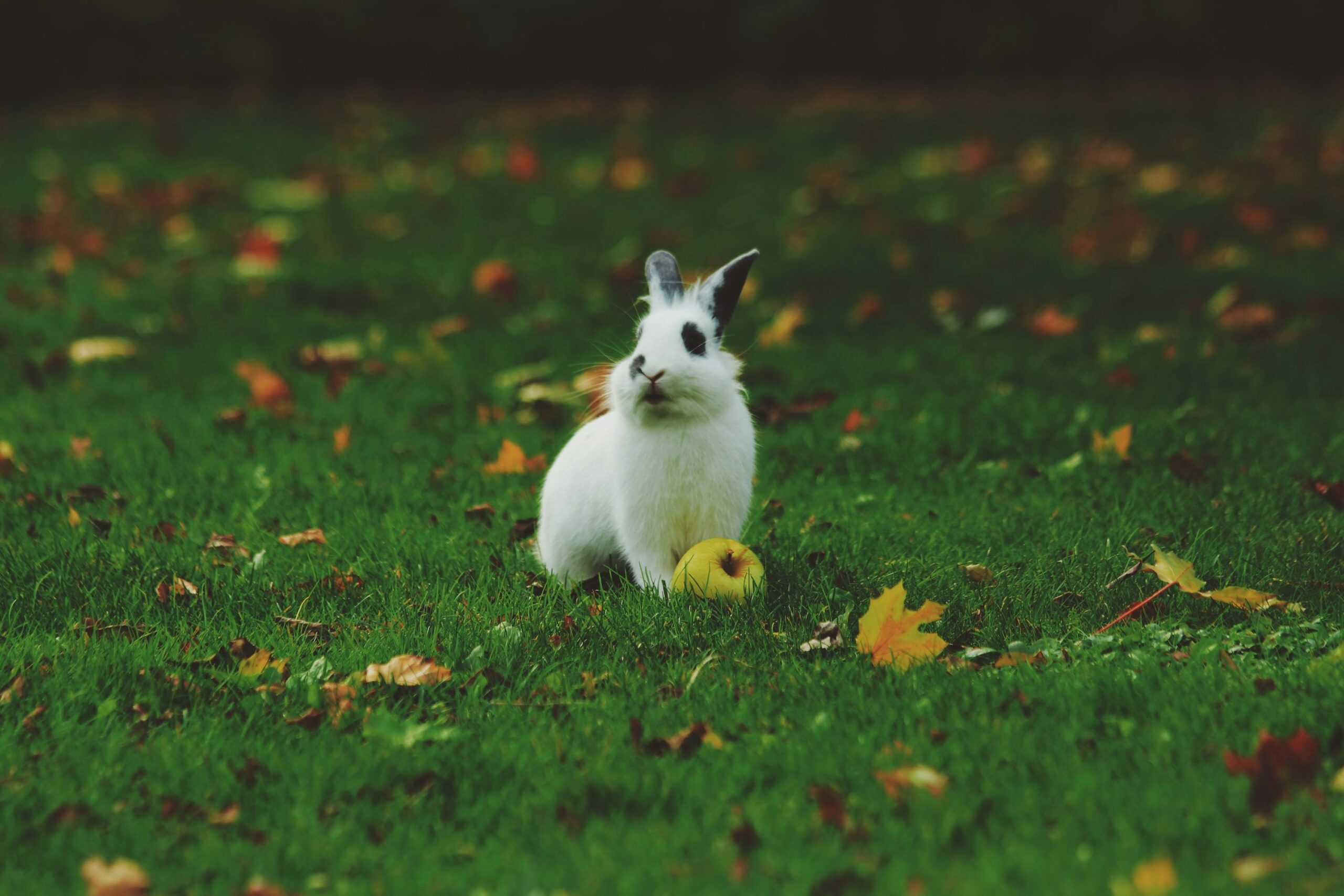
Want to learn about keeping your bunny happy and healthy?
Watch the video for rabbit care tips and helpful info every bunny parent should know!
Rabbit Veterinarians
Finding a rabbit-savvy veterinarian in the Philippines can be a bit challenging, as they’re not very common. That’s why we’ve put together a list of vets and clinics to help you out.
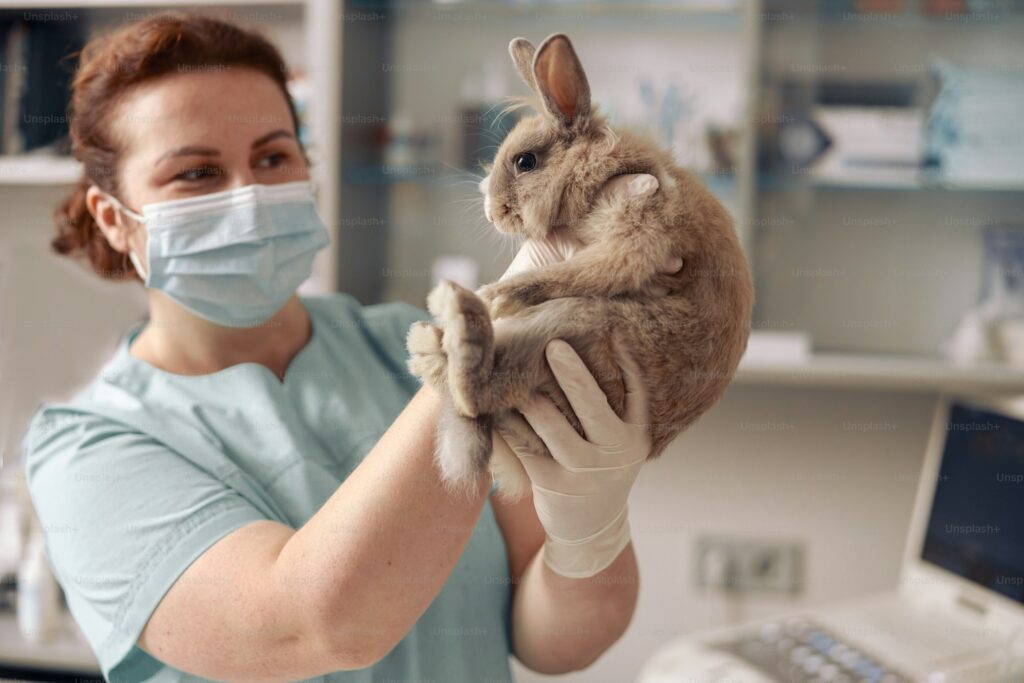
VETS IN PRACTICE ANIMAL HOSPITAL (VIP)
Vets In Practice (VIP) provides care for dogs, cats, small animals, and exotic pets. Their services include everything from diagnostics to surgical procedures. While their main branch is located in Mandaluyong, they have recently opened a new facility in Fort, which specializes in major procedures and surgeries. Another newly launched branch can be found along Katipunan Avenue in Quezon City.
Dra. Siday Peñaranda serves as their head veterinarian. Similar to the Fort branch, the Katipunan branch also performs major operations such as spaying/neutering and dental procedures like teeth trimming. For more information, you can visit their official website: https://vetsinpractice.ph/
ANIMAL CARE SPECIALISTS (ACS)
VIP also operates a clinic in Tiendesitas, Pasig City, called Animal Care Specialists. Dr. Siday Peñaranda serves as the chief exotic veterinarian at this branch as well, bringing her expertise in caring for rabbits and other exotic animals.
MANILA EAST VETERINARY CARE (MEVC)
Located in E. Rodriguez, Quezon City, MEVC is also recognized for providing care to exotic animals. Their head veterinarian is Dr. Lester Lopez. For more details about MEVC, you can visit their Facebook page: https://www.facebook.com/mevetcareclinic/
DOC FERDS ANIMAL WELLNESS CENTER
Dr. Ferds Recio is a well-known veterinarian specializing in the care of rabbits, guinea pigs, and other exotic animals. His clinics can be found in UP Town Center, Timog Avenue, and EDSA Congressional. To learn more about Doc Ferds Animal Wellness Center, you may visit their official website: https://docferdz.com/
THE MILLENIAL VET PH
Dr. Elaine Torio is a great option for online veterinary consultations. You can reach out to her through her Instagram account @themillennialvetph.
Health & Illnesses
Rabbits are delicate animals and can be susceptible to various health issues. Below are some common illnesses they may experience. If your rabbit shows any of these signs, be sure to consult a rabbit-savvy veterinarian before taking any action.

Wounds: If your rabbit has a wound, first assess whether it is deep or superficial. For minor wounds, clean the area gently with a cotton ball soaked in warm water and then pat it dry; most minor wounds will heal on their own. However, for larger cuts that won’t stop bleeding, it’s crucial to control the bleeding immediately by covering the wound with a clean cloth or bandage and applying light pressure. Keep the area secured until you can bring your rabbit to the vet for proper evaluation.
Mites: Hair loss and skin flaking in rabbits can indicate a mite infestation, often affecting one or both ears and spreading to areas like the head and feet. This causes itching, leading to scratching and ear shaking. If untreated, the skin may develop crusts, painful lesions, and infections, and severe cases can result in inner ear infections and hearing loss. At the first sign of mites, take your rabbit to the vet immediately. As a temporary measure, apply virgin coconut oil to the affected area. The vet will likely treat the mites with Ivermectin. Additionally, disinfect all items your rabbit has come into contact with, such as the floor, cage, toys, and litter box, using a bleach solution, letting it sit for 5 minutes to kill the mites, and rinse thoroughly before reintroducing these items to your rabbit.
Ringworm (Fungal Infection):
Rabbits can contract ringworm through contact with an infected animal or surface. Symptoms include crusty skin patches and fur loss, often accompanied by intense itching, and it commonly appears on the feet, ears, nose, head, and around the eyes. To treat ringworm, your vet may recommend an antibacterial and antifungal shampoo like Mycocide, safe for rabbits, until the infection clears. Be cautious when handling a rabbit with ringworm, as it can spread to humans and other animals. To prevent the infection from recurring, disinfect all items your rabbit has come into contact with, such as the floor, cage, toys, food bowl, and litter box, using a bleach solution, letting it sit for 5 minutes to kill the fungus, and rinse thoroughly before reintroducing these items to your rabbit.
Gastrointestinal Stasis:
Gastrointestinal Stasis (GI Stasis) is a serious, potentially life-threatening condition where a rabbit’s digestive system slows or stops, often going unnoticed since affected rabbits can appear normal. Signs to watch for include a sudden lack of eating and pooping, as well as a swollen belly that makes gurgling sounds, indicating painful gas buildup. GI Stasis can be triggered by stress, dehydration, gas, intestinal blockage, or low fiber intake. If left untreated, the digestive system may shut down completely, leading to death within a short time, so immediate action is crucial.
Diarrhea:
If your rabbit is passing wet or watery droppings, it’s a sign of an issue. Immediately stop all food except hay and ensure your rabbit has plenty of fresh water to prevent dehydration. If dehydration signs appear, offer water mixed with Dextrose Powder. If there’s no improvement within 24 hours, take your rabbit to a vet experienced with rabbits, who may perform a fecal test to check for bacterial or parasitic causes that require further treatment.
Rabbit Poop & Cecotropes:
A rabbit’s droppings provide valuable insights into its health, with two types: fecal pellets and cecotropes. Fecal pellets, the small, round, dry droppings seen in the litter box, reflect the rabbit’s diet and digestive health. Healthy pellets are large, round, brown, and dry but not too hard. Small, dry pellets may indicate insufficient hay or fiber, while overly soft droppings suggest too rich a diet. Runny stools or diarrhea may signal digestive issues or parasites, and stringy poop linked with fur indicates excessive hair consumption, requiring more water, hay, and brushing. Cecotropes, small, shiny clusters with a strong odor, are nutrient-rich and consumed directly by rabbits for digestion. If a rabbit isn’t eating them, it can lead to malnutrition, often due to a high-sugar or high-fat diet, so a balanced diet is important.
Cancer:
Unspayed adult rabbits, especially females, are at a higher risk of developing cancer. If you notice any unusual bumps or lumps, it’s crucial to take your rabbit to the vet promptly, as cancer, like in humans and other animals, requires immediate attention.
Food & Diet
Contrary to common belief in the Philippines, pellets should not be a rabbit’s main source of food. Rabbits need unlimited access to hay, which provides the essential nutrients and fiber they require. Relying on pellets as their primary diet can increase the risk of certain health issues.
A rabbit’s diet should be at least 80% hay, 10% vegetables, 5% pellets, and 5% treats.
Here’s a simple guide to help you understand a rabbit’s basic diet:
- 6 months and below: Unlimited alfalfa hay and unlimited pellets
- 3 months: Introduce vegetables one at a time and in small quantities
- 7 months: Introduce other types of hay such as timothy hay, while gradually decreasing intake of pellets and alfalfa hay, and introduce fruits and treats but only to be given occasionally with maximum of 1-2 tablespoons a day
- 1 year old and above: Unlimited timothy hay, grass hay or oat hay, while pellets should be a maximum of ½ cup a day, and vegetables increased to at least 2 cups a day
Alfalfa hay is ideal for young rabbits due to its high protein, calcium, and fat content, which supports growth. However, these nutrients are not suitable for adults, so it’s recommended to switch to timothy hay or other grass hays like orchard hay once a rabbit turns one. Adult rabbits should primarily eat hay, with minimal pellets, vegetables, and fruits. When introducing new vegetables or fruits, offer them one at a time in small amounts and monitor for any signs of diarrhea, stopping immediately if it occurs. Always check that the food is safe for rabbits before giving it.
Local veggies and fruits that are safe for rabbits:
- Apple
- Arugula
- Banana
- Basil
- Bok Choy
- Carrot (more of a treat, than a staple veggie)
- Cilantro (Wansoy)
- Dill
- Fennel
- Mango
- Melon
- Mint
- Mustard Greens (Mustasa)
- Papaya
- Parsley (not to be fed everyday)
- Pineapple
- Romaine Lettuce (NOT Iceberg!)
- Watercress
- Wheatgrass
Under any circumstances, please DO NOT feed the following foods to your rabbit as they might be fatal:
- Coffee Beans
- Chocolate
- House Plants (Since most are toxic to rabbits)
- Iceberg Lettuce
- Onions
Choose high fiber pellets (at least 18%) for your rabbit, avoiding mixes with nuts, fruits, or treats; reserve those as occasional rewards. Alfalfa based pellets suit young rabbits, while timothy based ones are better for adults. When switching pellet types or brands, mix the new with the old and gradually phase out the old to help your rabbit adjust. Additionally, ensure your rabbit has unlimited access to clean water, whether in a bowl or a bottle, depending on their preference.
The Fruit & Veggie List
Rabbits enjoy munching on fresh vegetables, and it’s essential to include a daily serving in their diet. We’ve put together a list of rabbit-safe veggies that you can easily find at local supermarkets and nearby grocery stores.
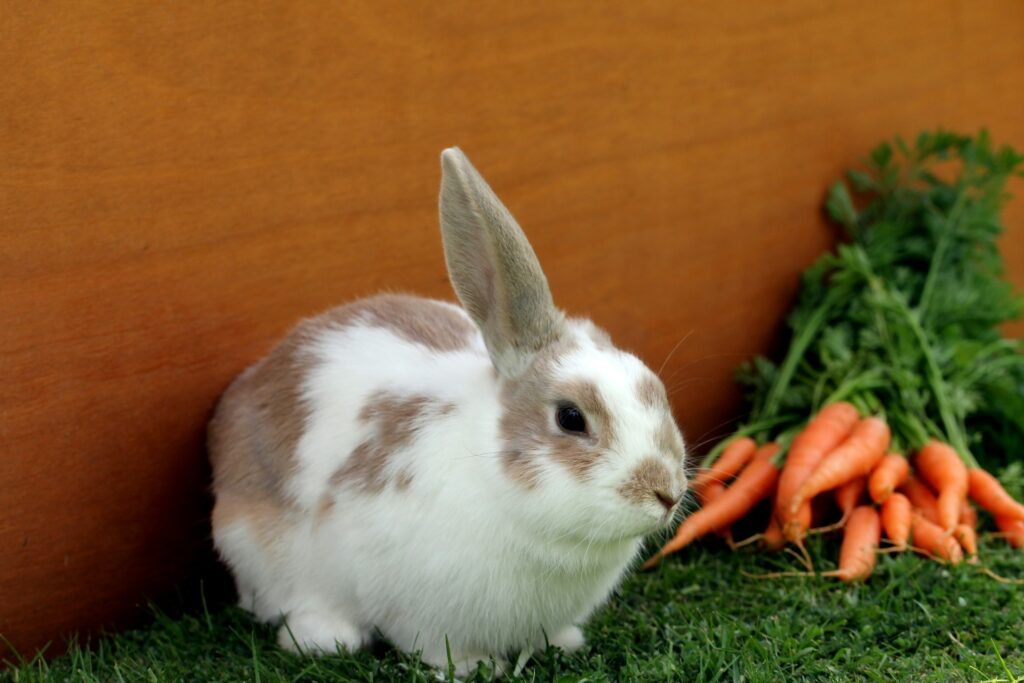
STAPLE VEGGIES
Some vegetables can be given to your rabbit as staples, meaning they can eat as much as they like. Since preferences vary, some rabbits may prefer basil, others lettuce, so try different types to see what your rabbit enjoys. Ideally, offer at least three different vegetables daily for a balanced diet.
- Arugula
- Basil
- Bok Choy
- Carrots (considered a treat because of its sweetness)
- Cilantro (Wansoy)
- Dill
- Fennel
- Mint
- Mustard Greens (Mustasa)
- Parsley*
- Romaine Lettuce (NOT Iceberg!)
- Watercress
- Wheatgrass
*should not be fed everyday
If you’re on a tight budget, camote tops (talbos ng kamote) are a safe and affordable vegetable for rabbits, though they offer limited nutrition. Some owners also feed kangkong, but it should be given with caution, as it can cause diarrhea in some rabbits.
FROOTY TREATS
Here are some fruits and roots that can be given as occasional treats. Please note that these should be offered in small amounts and not on a regular basis.
- Apples
- Bananas
- Mangoes
- Melon
- Papaya
- Pears
- Pineapple
- Strawberries
- Watermelon
WHAT TO AVOID
Under no circumstances should you feed the following foods to your rabbits, as they are harmful to their health:
- Coffee Beans
- Chocolate
- House Plants (since most are toxic to rabbits)
- Iceberg Lettuce
- Kang Kong
- Onions
- Pechay
Remember, vegetables and fruits should only make up a small portion of your rabbit’s diet, 10% for vegetables and 5% for fruits and treats.
Spaying & Neutering
Spaying and neutering are terms you’ve probably heard before, especially when it comes to dogs and cats. These procedures involve the surgical removal of an animal’s reproductive organs to help prevent aggressive behavior and reduce the risk of certain diseases. However, in the Philippines, many rabbit owners, and even pet shops, are unaware of how important spaying or neutering is for rabbits too.
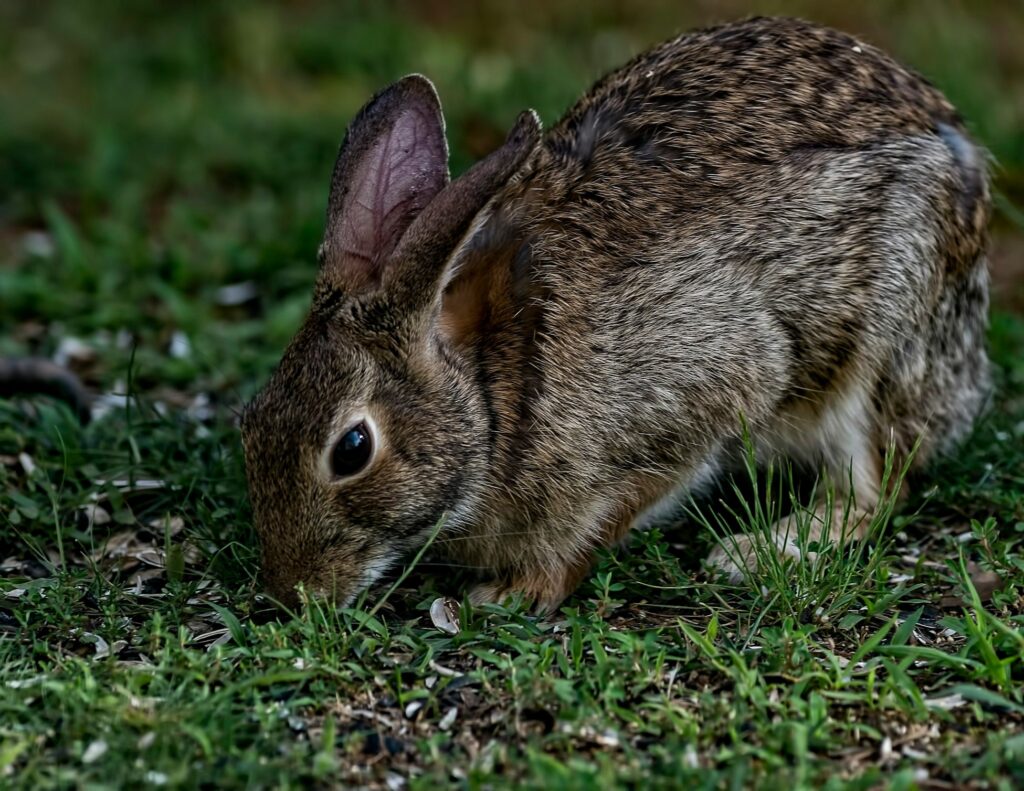
When rabbits reach 4 months old, hormonal changes make them more territorial, and some can become aggressive, which may surprise owners. During this time, it’s important not to hit or punish your rabbit; patience is key. This is also the ideal time to consult a rabbit veterinarian about spaying or neutering.
At 4 months, male rabbits can also impregnate females, so it’s best to separate them to prevent unwanted pregnancies. Aggression can also lead to injuries, making separation necessary. Neutering male rabbits helps prevent territorial behaviors, such as spraying urine, lunging, scratching, or barking at people. Spaying female rabbits is important to prevent reproductive cancers; by age 5, the risk of uterine cancer in unspayed females is 80%, but spaying almost eliminates this risk. Additionally, spaying can reduce aggression toward humans and other rabbits.
For peaceful coexistence, neutering and spaying are essential when keeping multiple rabbits together. Without altering, it’s impossible to have two or more rabbits living harmoniously once they reach maturity.
NEUTERING & SPAYING RABBITS IN THE PH
Here are a few things to keep in mind.
- Unlike in other countries where vets use special surgical glue to seal incisions and prevent rabbits from chewing on their stitches, vets here typically leave the stitches exposed, increasing the risk of rabbits biting or chewing them.
As a result, vets here often recommend using e-collars to prevent rabbits from chewing their stitches. While this can be stressful for your rabbit at first, they usually adjust over time. It’s important to monitor them closely after surgery to ensure they’re not chewing their stitches and are eating properly.
Make sure to give your rabbit food and water before surgery. Unlike dogs, rabbits should never fast, as they need a constant intake of food to keep their digestive system functioning properly.
Bring a light towel or handkerchief to keep your rabbit warm on the ride home, as it’s important to maintain their body temperature. Make sure they stay as warm and comfortable as needed.
Once your rabbit is home from surgery, offer food right away to help restart their digestion. Tempt them with a favorite treat, and if needed, provide recovery food like Critical Care or Complete Care until their appetite returns.
- Provide your rabbit with water using either a bowl or a syringe, depending on what they’re comfortable with.
Spaying is a more invasive procedure compared to neutering.
If possible, request pain medication from the vet to take home in case your rabbit shows signs of pain a day after the procedure. Pain can lead to severe stress and may cause your rabbit to refuse food.
- If you notice any concerning symptoms after the procedure, don’t hesitate to contact the vet.
It’s important to learn about spaying and neutering, especially regarding your rabbit’s pre-care and post-care. Take the time to research (there are many resources online) and don’t hesitate to ask your vet if you have any questions!